


Best Built In Single Ovens
Add a review FollowOverview
-
Founded Date September 16, 1933
-
Sectors Automotive Jobs
-
Posted Jobs 0
-
Viewed 36

Company Description
5 Killer Quora Answers On Single Fan Oven
Understanding the Single Fan Oven: A Comprehensive Guide
The cooking world has actually evolved substantially throughout the years, with appliances becoming more advanced and efficient. One such improvement is the single fan oven, a kitchen staple for lots of home cooks and expert chefs alike. This short article digs into the intricacies of single fan ovens, their advantages, and practical pointers for usage.
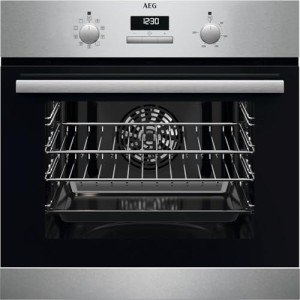
What is a Single Fan Oven?
A single fan oven, likewise called a stove, is developed to prepare food evenly utilizing a fan and an internal exhaust system. Unlike standard ovens that rely mostly on glowing heat, single fan ovens distribute hot air around the food, guaranteeing a constant temperature level throughout the cooking process. This feature improves cooking efficiency and reduces cooking times compared to basic ovens.
How Does a Single Fan Oven Work?
The mechanics of a single fan oven are straightforward however innovative. The oven makes up a number of crucial components:
- Heating Element: This creates the heat needed for cooking, generally situated at the top and bottom of the oven.
- Fan: Positioned at the back of the oven, this element distributes the hot air around the food.
- Control Panel: It allows users to set the temperature and cooking time.
- Thermostat: This gadget monitors and keeps the desired temperature level throughout cooking.
When the oven is switched on, the heating aspects heat up, and the fan starts to circulate the heat evenly. This makes sure that all sides of the food are exposed to hot air, leading to better cooking outcomes– especially for baked goods.
Advantages of Using a Single Fan Oven
Single fan ovens boast numerous advantages, making them popular amongst cooking enthusiasts. The primary advantages include:
1. Even Cooking
- The distributing air avoids cold and hot spots within the oven, permitting food to prepare equally. This is particularly useful for baking pastries, cakes, and bread.
2. Reduced Cooking Time
- By circulating hot air, convection ovens typically cook food quicker than standard ovens. This can lead to time savings in meal preparation.
3. Energy Efficiency
- Single fan ovens typically use less energy, as they can prepare food faster and may need lower temperatures.
4. Browning and Crisping
- The airflow in a single fan oven assists achieve a preferable golden-brown finish on dishes, especially casseroles, roasted veggies, and meats.
5. Flexibility
- These ovens can a range of cooking styles, from roasting and baking to broiling and reheating leftovers.
Comparing Single Fan Ovens with Traditional Ovens
To much better comprehend the distinct qualities of a single fan oven, it’s useful to compare it to a standard oven. The table below sums up crucial differences:
| Feature | Single Fan Oven | Conventional Oven |
|---|---|---|
| Cooking Method | Convection (flowing air) | Radiant heat |
| Cooking Time | Much shorter | Longer |
| Temperature Consistency | More consistent | Can have hot/cold spots |
| Energy Consumption | Usually lower | Greater |
| Suitable for Baking | Better browning and rising | Excellent for roasting |
How to Use a Single Fan Oven
For optimum outcomes with a single fan oven, consider these practical ideas:
-
Adjust Temperature and Cooking Time:
- When using a single fan oven, lower the cooking temperature by about 20 ° F (10 ° C) compared to conventional recipes. As a guideline of thumb, check for doneness a bit earlier than specified.
-
Usage Shallow Baking Pans:
- Shallow pans allow much better airflow, promoting even cooking and browning.
-
Avoid Crowding the Oven:
- Ensure adequate space between dishes for air flow.
-
Rotate Baking Sheets:
- For multiple trays or pans, turn them midway through cooking to ensure even heat distribution.
-
Keep the Oven Door Closed:
- Each time the door is opened, heat gets away; prevent unnecessary openings throughout cooking.
FAQs About Single Fan Ovens
-
Can I use routine dishes in a single fan oven?
- Yes, but it’s suggested to adjust both the temperature level and cooking time for optimum outcomes.
-
Are single fan ovens more costly than standard ovens?
- They can differ in price, but while some designs may be more pricey, their performance can lead to cost savings on energy costs.
-
Can I bake multiple products simultaneously?
- Yes, however spaced out effectively for even air flow. It’s advisable to rotate trays midway through cooking.
-
Do single fan ovens feature extra functions?
- Lots of models include self-cleaning choices, several cooking modes, and smart technology for enhanced benefit.
-
Is upkeep different for single fan ovens?
- Upkeep is comparable but bear in mind the fan and guarantee it’s kept clean for optimal efficiency.
The single fan oven stands apart as an exceptional option for those seeking to improve their cooking skills and effectiveness in the kitchen. Its ability to cook food equally and faster can transform the cooking experience, making even the most complex recipes basic to perform. By understanding how to utilize a single fan oven efficiently and leveraging its advantages, home cooks and expert chefs can enjoy a more pleasant and efficient cooking journey.
