


Best Rollator Walker
Add a review FollowOverview
-
Founded Date April 17, 1949
-
Sectors Automotive Jobs
-
Posted Jobs 0
-
Viewed 26

Company Description
Guide To Lightweight Walker: The Intermediate Guide The Steps To Lightweight Walker
The Lightweight Walker: A Comprehensive Guide
Intro
Lightweight walkers are vital mobility aids created to assist individuals who have problem walking or keeping balance. Unlike standard walkers, which can be troublesome and heavy, lightweight walkers provide enhanced mobility and ease of use. This short article checks out the features, benefits, and different types of lightweight walkers offered, making it a valuable resource for individuals seeking enhanced mobility, caretakers, and health care specialists.
Comprehending Lightweight Walkers
Lightweight walkers are normally constructed from materials such as aluminum or carbon fiber. Their design focuses on both durability and ease of transportation and use. The improvement in engineering and manufacturing strategies has led to the advancement of models that can be effortlessly steered, making them appropriate for a broad variety of users.
Secret Features of Lightweight Walkers
- Material: Most lightweight walkers are made from high-strength aluminum or carbon fiber, making them easy to lift and carry.
- Foldability: Many designs include a folding style for practical storage and transport.
- Weight Capacity: Despite their lightweight nature, they are constructed to sustain considerable weight while preserving stability.
- Adjustable Height: Most walkers offer adjustable height settings to accommodate users of differing heights.
- Brakes and Wheels: Some designs include wheels for increased mobility, along with brakes for safety when resting.
Here’s a contrast table of some popular designs of lightweight walkers to assist users make notified choices:
| Model | Weight | Weight Capacity | Functions | Cost Range |
|---|---|---|---|---|
| Drive Medical 10210-1 | 5 lbs | 300 pounds | Foldable, non-slip hand grips, lightweight | ₤ 60 – ₤ 80 |
| Nova 4200 | 8 pounds | 250 pounds | 8″ wheels, a built-in seat, and adjustable | ₤ 120 – ₤ 150 |
| Medline E0302 | 7 pounds | 300 lbs | Side folding, 5″ wheels, and ergonomic grips | ₤ 70 – ₤ 100 |
| Hugo Folding Walker | 6 lbs | 300 pounds | Adjustable height, consists of backrest seat | ₤ 80 – ₤ 110 |
| Mego Mobility Walker | 8 lbs | 350 lbs | Double brakes, adjustable arms, inclusion of a basket | ₤ 90 – ₤ 130 |
Benefits of Lightweight Walkers
Lightweight walkers offer numerous advantages to users, boosting both mobility and lifestyle. Some of the notable benefits include:
- Improved Mobility: They help people ambulate securely and confidently, allowing them to engage in daily activities and maintain independence.
- Alleviate of Transport: The lightweight nature and collapsible design make them easy to transfer in cars and trucks or public transport.
- Customization: Many walkers permit for height modifications, guaranteeing a comfy fit tailored to the user.
- Improved Stability: These walkers supply the assistance needed to help avoid falls and injuries, especially in older grownups.
- Variety of Designs: With a variety of designs available, users can pick walkers that best fit their personal choices and requirements.
Types of Lightweight Walkers
-
Requirement Walkers: Basic designs developed mainly for stability with rubber pointers, using stability however minimal mobility.
-
Two-Wheeled Walkers: Equipped with front wheels, these walkers supply improved maneuverability while still providing support.
-
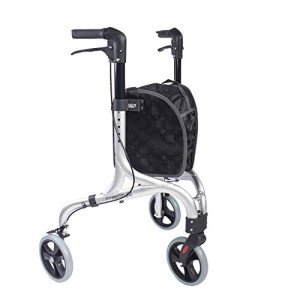
Four-Wheeled Walkers (Rollators): These walkers come with wheels on all four legs, making them much easier to browse over numerous surface areas. Numerous likewise consist of a seat, offering rest during long trips.
-
Tri-Wheeled Walkers: Ideal for users who need more agility in tight spaces, tri-wheel styles are compact yet sturdy.
Choosing the Right Lightweight Walker
When selecting a lightweight walker, think about the list below elements:
- User’s Weight and Height: Ensure the walker can accommodate the user’s size efficiently.
- Meant Use: Understand where the walker will be primarily used (indoors vs. outdoors) and select wheels accordingly.
- Frequency of Use: For those utilizing the walker daily, comfort features, such as grips and seat alternatives, might be essential.
- Safety Features: Look for designs with adequate brakes or locking mechanisms to ensure stability.
Often Asked Questions
Q1: Are lightweight walkers more costly than conventional walkers?A1: Generally, lightweight walkers can be slightly more costly than standard walkers due to their advanced products and functions, but they offer significant benefits in mobility and ease of use. Q2: Can I use a lightweight walker if I have significant
mobility issues?A2: Yes, lightweight walkers appropriate for different mobility levels.
Nevertheless, it’s suggested to talk to a healthcare company or physiotherapist for customized suggestions. Q3: Do lightweight walkers come with warranties?A3: Most credible producers use guarantees, typically
ranging from one to three years, however it’s necessary to
examine individual item information. Q4: How do I preserve my lightweight walker?A4: Regularly look for wear on wheels, brakes, and grips. Clean the walker with a damp
fabric and avoid exposure to harsh chemicals. Q5: Are there alternatives for customizing lightweight walkers?A5: Yes, numerous makers offer customizable features such as color alternatives, attachment of bags, and seat cushions
. Lightweight walkers are important mobility aids that enhance self-reliance
, stability, and quality of life for numerous people. Understanding the different features, benefits, and types
offered can help users make notified choices. By choosing the right walker, people will find they can browse their surroundings with self-confidence and ease. As the population continues to age, lightweight walkers will stay essential tools for mobility, guaranteeing that everyone keeps their flexibility to move securely and effectively.
